Influencer Marketing: How Social Media Influencers Are Changing the Way We Shop
Introduction
Have you ever purchased a skincare product after watching an Instagram reel? Or tried a restaurant because your favourite YouTuber recommended it? If yes, then you have already experienced the power of influencer marketing.
In today’s world, social media is not just a place where people share photos, videos, and daily updates. It has also become a powerful platform for businesses to promote their products and connect with customers. One of the biggest reasons behind this change is influencer marketing.
A few years ago, most companies depended on television advertisements, newspaper promotions, and celebrity endorsements to attract customers. But things have changed. Today, people often prefer watching honest product reviews, tutorials, and recommendations from creators they follow on social media.
Whether it is a beauty blogger suggesting a skincare routine, a fitness creator recommending a protein-free workout routine, or a travel vlogger sharing their favourite destinations, influencers have become an important part of our everyday online experience.
This is why many businesses, from small startups to well-known brands, are investing in influencer marketing to reach their target audience.
What Is Influencer Marketing?
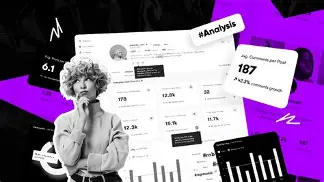
In simple words, influencer marketing is a way of promoting products or services through people who have a strong presence on social media.
These people are called influencers because they have built a connection with their followers and can influence their opinions, interests, and buying decisions.
For example, imagine that you are looking for a new face wash. You come across two things: a traditional advertisement and an Instagram video where a beauty creator explains their experience with the product. The creator shows how they use it, discusses its benefits, and shares their personal opinion.
You might find the second option more relatable because it feels like a recommendation from someone you already follow.
That is exactly how influencer marketing works. Instead of directly telling people to buy something, brands use creators to introduce their products in a more natural and interesting way.
Different Types of Influencers
Not every influencer has millions of followers. In fact, sometimes creators with smaller audiences can be more effective for a brand. Let’s understand the different types.
1. Nano Influencers
Nano influencers usually have between 1,000 and 10,000 followers. They often have a close relationship with their audience and focus on specific interests.
For example, a small food blogger sharing restaurant recommendations in Delhi may have a limited number of followers, but those followers may genuinely trust their suggestions.
2. Micro Influencers
Micro influencers generally have between 10,000 and 100,000 followers. They usually create content around a particular niche, such as fashion, beauty, fitness, technology, or travel.
Brands often prefer working with micro influencers because their content feels personal and they can reach a specific audience.
3. Macro Influencers
Macro influencers generally have between 100,000 and one million followers. They have a larger online presence and can help brands reach a wider audience.
Many established content creators and social media personalities fall into this category.
4. Mega Influencers
Mega influencers usually have more than one million followers. They may include celebrities, famous YouTubers, and well-known internet personalities.
Working with them can give a brand massive visibility, but collaborations can also be expensive.
Why Is Influencer Marketing So Popular?
One major reason behind the popularity of influencer marketing is trust.
People see influencers regularly on their social media feeds. They watch their daily routines, listen to their opinions, and follow their recommendations. Over time, this creates a sense of familiarity.
Here are some reasons why businesses are choosing influencer marketing.
1. It Helps Brands Reach More People
Imagine a small clothing business that has just started its Instagram page. It may take months to build a good number of followers.
However, if a fashion influencer wears and promotes its clothing, the brand can quickly introduce itself to thousands of potential customers.
This makes influencer marketing useful for businesses that want to increase their online visibility.
2. People Relate to Influencers
Traditional advertisements usually focus on showing how perfect a product is. Influencer content, on the other hand, can show how a product fits into everyday life.
For example, a fitness creator might show how they use a particular sports bottle during their workout. This simple demonstration can make the product more interesting to viewers.
3. It Builds Brand Trust
When people follow a creator for a long time, they become familiar with their personality and content.
If that creator recommends a product honestly and clearly discloses a paid partnership, followers may be more willing to consider the recommendation.
However, influencers need to be genuine. Promoting every product without checking its quality can damage their reputation.
4. It Can Increase Sales
Influencer marketing is not only about getting likes and followers. It can also help businesses attract customers and generate sales.
Brands sometimes provide influencers with special discount codes or product links. This makes it easier for customers to explore and purchase the promoted products.
5. It Provides Creative Content
Influencers understand what type of content their audience enjoys.
Instead of using the same traditional advertisement everywhere, brands can work with creators to produce reels, tutorials, unboxing videos, product reviews, and lifestyle content.
This makes promotions more interesting and engaging.
Popular Social Media Platforms for Influencer Marketing
Different social media platforms offer different opportunities for brands and creators.
Instagram is one of the most popular platforms for influencer marketing. Creators use reels, stories, photographs, and live sessions to promote products.
Beauty, fashion, food, travel, and lifestyle brands are especially active on Instagram.
YouTube
YouTube is popular for detailed product reviews, tutorials, comparisons, and unboxing videos.
For example, before buying a smartphone, many people watch YouTube reviews to understand its camera quality, battery life, features, and performance.
Facebook is useful for reaching different age groups and building communities. Influencers can promote products through videos, posts, groups, and live sessions.
LinkedIn is more focused on professional and business-related content. Industry experts, entrepreneurs, and business creators use it to share knowledge and recommend professional services.
Snapchat
Snapchat is popular for short videos, stories, and everyday content. Brands can collaborate with creators to connect with audiences who actively use the platform.
How Does Influencer Marketing Work?
Influencer marketing may look simple from the outside, but a successful campaign requires proper planning.
Here is how the process usually works:
Step 1: Decide the Goal
First, a business needs to understand what it wants to achieve. Does it want more followers, increased website traffic, better brand awareness, or more sales?
Having a clear goal makes campaign planning easier.
Step 2: Understand the Audience
A brand should know who its customers are. Their age, interests, location, preferences, and shopping habits all matter.
Step 3: Choose the Right Influencer
The brand then searches for creators whose content matches its products and target audience.
A large follower count does not always mean a successful collaboration. Audience quality and genuine engagement are equally important.
Step 4: Plan the Collaboration
The brand and influencer discuss the campaign details, including the type of content, payment, deadlines, product information, and promotional message.
Step 5: Create and Publish Content
The influencer creates content that introduces the product in an interesting way. It could be a reel, story, video, tutorial, or product review.
Step 6: Check the Results
Finally, the brand checks how well the campaign performed by looking at views, likes, comments, shares, website visits, and sales.
Real-Life Examples of Influencer Marketing
Many popular brands have used influencer marketing to connect with customers.
Mamaearth: Mamaearth has worked with beauty, skincare, and parenting creators to introduce its products to different audiences. Influencers often share product experiences and skincare-related content.
boAt: The Indian electronics brand boAt has used celebrity endorsements and creator collaborations to promote its headphones, earbuds, and other electronic products, particularly among younger consumers.
Nykaa: Nykaa works with beauty influencers and makeup creators who share tutorials, product recommendations, skincare routines, and reviews.
Coca-Cola: Coca-Cola has used social media campaigns and creator collaborations to encourage people to participate in brand activities and share their experiences.
These examples show that influencer marketing is not limited to one industry. Businesses across fashion, beauty, food, technology, and lifestyle can benefit from it.
Challenges of Influencer Marketing
Although influencer marketing has many benefits, it is not always easy. Businesses need to be careful while planning their campaigns.
Some common challenges include:
1. Fake Followers: Some influencers increase their follower counts through fake accounts. This can mislead brands into spending money on promotions that do not reach real customers.
2. Finding the Right Influencer: Choosing someone who does not connect with the brand’s target audience can result in poor campaign performance.
3. High Collaboration Costs: Popular influencers may charge a significant amount for sponsored posts and videos. This can be difficult for small businesses with limited budgets.
4. Lack of Authenticity: If an influencer promotes too many products, followers may stop trusting their recommendations.
5. Measuring Results: Sometimes it is difficult to understand exactly how many customers purchased a product because of a particular influencer campaign.
6. Reputation Problems: If an influencer becomes involved in a controversy, the brand associated with them may also face negative attention.
To avoid these problems, brands should research influencers carefully, check their audience engagement, and build genuine partnerships.
Future of Influencer Marketing
Influencer marketing is growing rapidly, and its future looks interesting.
One important change is the increasing popularity of micro and nano influencers. Businesses are realizing that they do not always need celebrities to promote their products. Sometimes, a small creator with a loyal audience can deliver better results.
Artificial Intelligence is also changing the industry. Brands can use AI tools to discover influencers, understand audience behavior, plan campaigns, and analyze performance.
Short-form videos such as Instagram Reels and YouTube Shorts are also becoming important because people enjoy quick, entertaining, and informative content.
In India, regional influencers are creating new opportunities for businesses. Creators who make content in Hindi, Punjabi, Tamil, Bengali, Marathi, and other regional languages can help brands connect with audiences in different parts of the country.
Another important trend is long-term collaboration. Instead of paying an influencer for just one post, brands are increasingly interested in building relationships with creators who genuinely understand their products.
In the coming years, honesty, creativity, audience connection, and transparency will play an even bigger role in successful influencer marketing.